
About This Project
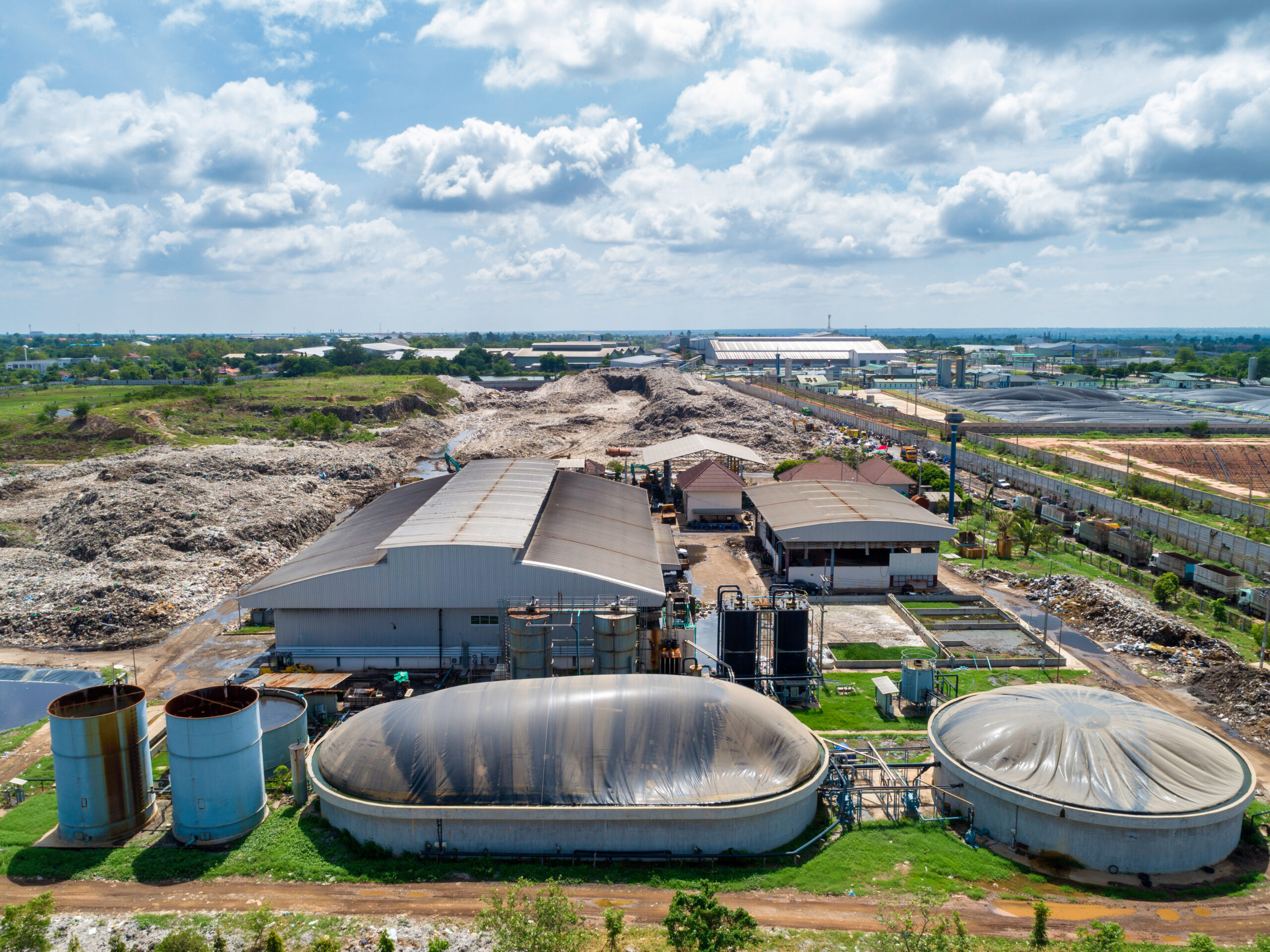
The Crapo Hill Landfill is owned and operated by the Greater New Bedford Regional Refuse Management District (the District). As permitted by the Massachusetts Department of Environmental Protection (MDEP), the facility occupies 69.8 acres of a 152-acre parcel in Dartmouth, Massachusetts. The landfill began accepting municipal solid waste and construction and demolition debris in 1995 and currently utilizes roughly 30 of its permitted 69.8 acres. It is not subject to the Federal New Source Performance Standards (NSPS) or other local, state, or federal regulations that mandate landfill gas collection.
This ICVCM CCP Approved project captures and utilizes methane generated at the landfill. It includes an expanded landfill gas collection system—featuring new vertical and horizontal extraction wells—and four Caterpillar 3516 engine-generator sets that combust the collected methane. Revenue from carbon credit sales supports both the installation and ongoing operation of the gas collection and control system.
As waste decomposes, it produces methane, the primary component of landfill gas and a potent greenhouse gas. By capturing and destroying methane that would otherwise be emitted, the project significantly reduces greenhouse gas emissions. Methane is a climate “super-pollutant,” with a global warming potential 84 times greater than that of carbon dioxide (CO₂) over a 20-year period.
Sustainability Development Goals
The Sustainable Development Goals (SDGs), also known as the Global Goals, are a set of 17 interconnected goals established by the United Nations in 2015 as a universal call to action to end poverty, protect the planet, and ensure prosperity for all by 2030. The SDGs build upon the earlier Millennium Development Goals (MDGs) but are broader in scope, encompassing a wide range of economic, social, and environmental issues. They provide a comprehensive framework for addressing global challenges and achieving a more sustainable and equitable world. This project has the following sustainability development goals that are displayed.
To learn more about all SDGs, please click here.
Project Identification Number
VCS138