
About This Project
-
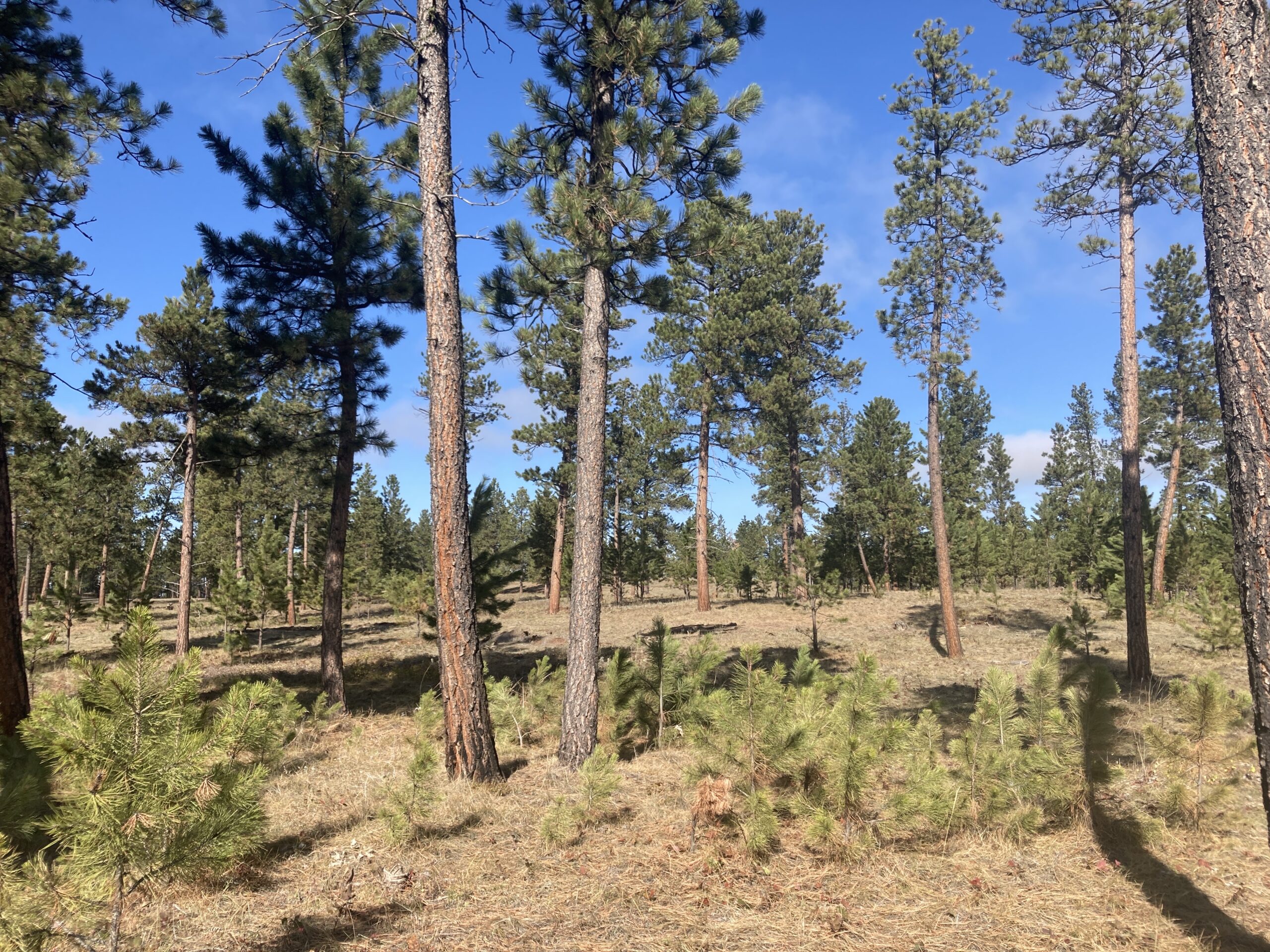
Located in southeast Montana, the Northern Cheyenne Reservation spans 444,735 acres, including approximately 158,000 acres of forestland that are vital to the Northern Cheyenne Tribe's economy, culture, and traditions. Dominated by native Ponderosa pine forests, these lands have historically supported the Tribe through sustainable timber harvesting, providing a significant source of annual revenue.
-
The Northern Cheyenne Forest Carbon Project increases carbon storage by preserving more mature forests while generating carbon credit revenue that supports long term forest stewardship. Funding helps the Tribal Forestry Department implement sustainable management practices, including selective harvesting, thinning overstocked stands, reforesting understocked areas, and reducing hazardous wildfire fuels. These efforts improve forest health, strengthen climate resilience, and restore a more natural forest structure.
-
By reducing harvest levels and promoting a more diverse mix of tree ages and species, the project also helps reduce soil erosion, protect watersheds, and improve water quality. Healthier forests provide important habitat for wildlife, support fisheries and recreation, and preserve the cultural and traditional values that are central to the Northern Cheyenne way of life.
Sustainability Development Goals
The Sustainable Development Goals (SDGs), also known as the Global Goals, are a set of 17 interconnected goals established by the United Nations in 2015 as a universal call to action to end poverty, protect the planet, and ensure prosperity for all by 2030. The SDGs build upon the earlier Millennium Development Goals (MDGs) but are broader in scope, encompassing a wide range of economic, social, and environmental issues. They provide a comprehensive framework for addressing global challenges and achieving a more sustainable and equitable world. This project has the following sustainability development goals that are displayed.
To learn more about all SDGs, please click here.
Project Identification Number
ACR745