Private Aviation Carbon Offsets

$16.99 mT

Global aviation accounts for roughly 2% of human caused carbon emissions, and private flights typically carry a higher per passenger footprint than commercial travel, which this product is built to address. You can offset the emissions from your private flights by purchasing carbon credits that support projects in the Terrapass Global Portfolio.

Our Global Portfolio includes a diverse mix of projects across the world that restore natural climate resilience, protect critical ecosystems, and reduce climate super-pollutants. Every carbon credit you purchase is an independently verified carbon removal or reduction generated by these projects under the supervision of ICVCM CCP-Eligible registries like Verra, American Carbon Registry, or Climate Action Reserve.

You receive a Certificate of Purchase displaying your contribution to reducing global carbon emissions and Terrapass retires carbon credits for your purchase.

How to Purchase Private Aviation Carbon Offsets

Impact: 0 mT of CO2e


Select your fuel type, Jet Fuel or AVGAS, enter the total gallons used, and the estimated carbon emissions will populate the quantity field automatically. This is a great option for charter operators, brokers, fractional owners, and aviation management companies that need to build offsetting into their programs.

Sources: Facts & figures (atag.org)
You are from United States (US), price will be in United States (US) dollar ($).
United States dollar ($) - USD
  • United States dollar ($) - USD
  • Australian dollar ($) - AUD
  • Canadian dollar ($) - CAD
  • Euro (€) - EUR
  • Hong Kong dollar ($) - HKD
  • Indonesian rupiah (Rp) - IDR
  • New Zealand dollar ($) - NZD
  • Pound sterling (£) - GBP
  • Singapore dollar ($) - SGD
  • Japanese yen (¥) - JPY

Product Price

Voucher Image

Verified Carbon Projects

Your Purchase Supports a Global Portfolio of Projects

A diverse mix of verified projects, from reforestation and REDD+ to landfill gas capture, orphan well closure, industrial emission reduction, and residential solar, delivering both carbon removal and emission reduction credits.

  • 3 continents
  • 6 project types
  • 3 independent registries
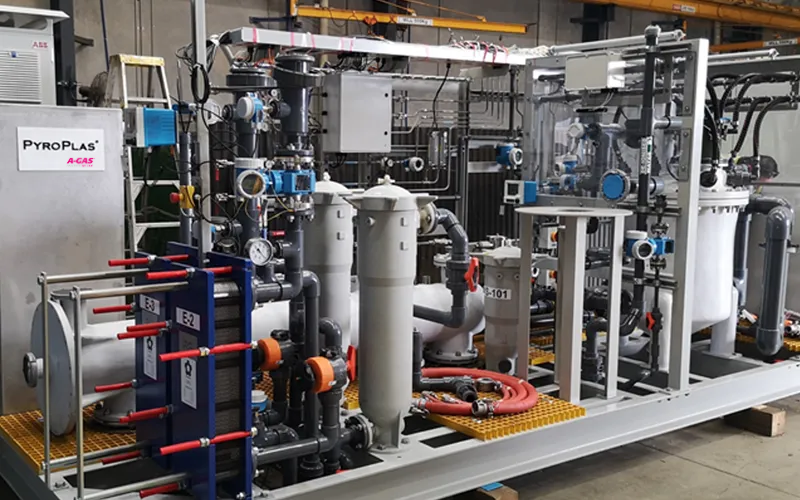
A-Gas V14 refrigerant processing equipment

HFC Emission Reduction

A-Gas V14

This project mitigates greenhouse gas emissions by recovering and destroying high-impact HFC refrigerants.

Location
Rhome, TX, USA
Project ID
ACR905
Registry
American Carbon Registry
Verified By
Ruby Canyon Environmental
Learn more →
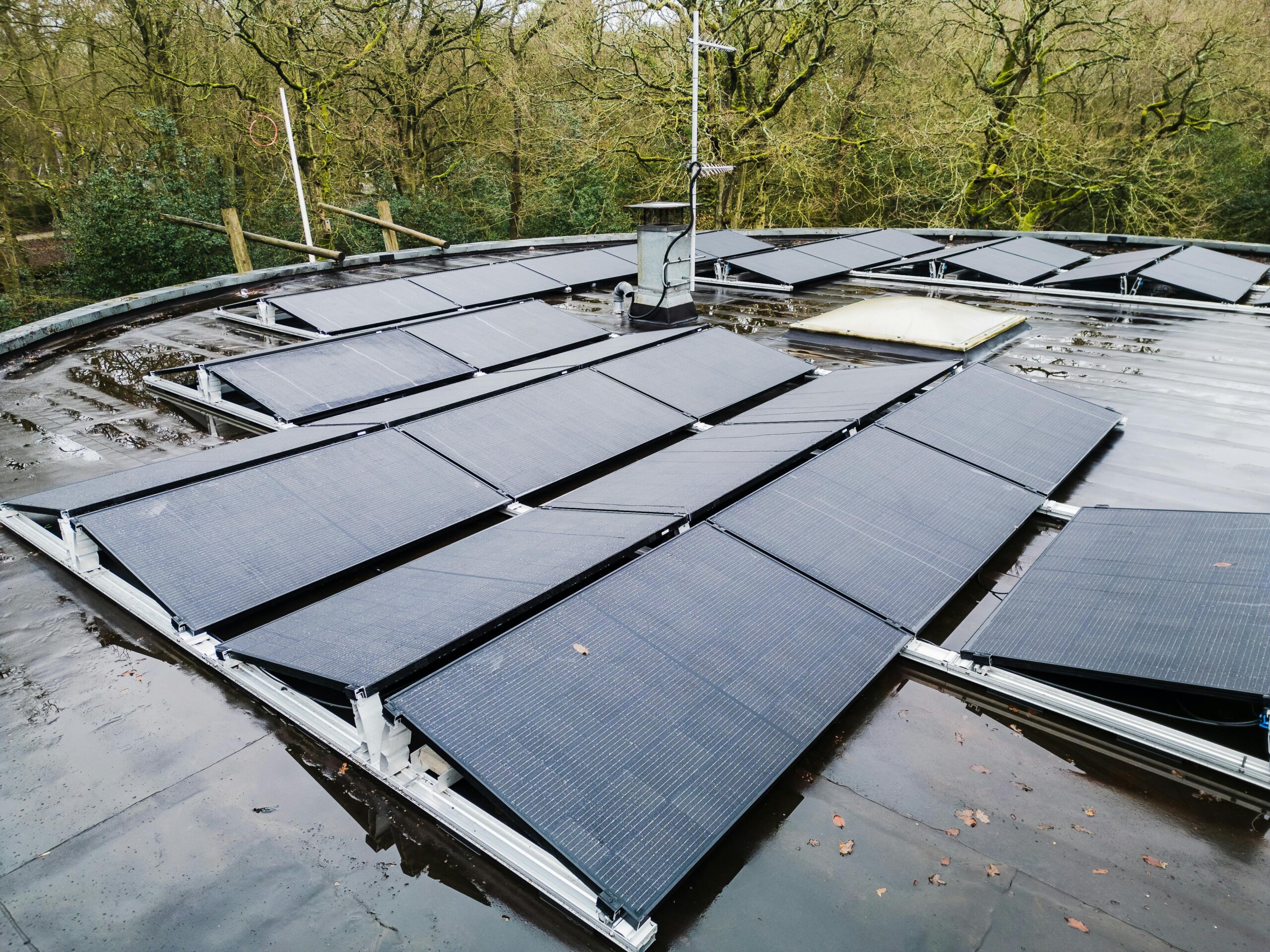
Solar panels installed on a residential rooftop in India

Renewable Energy

Energising Indian Homes by Solar Rooftop Projects

This project supports rooftop solar in India, increasing renewable energy and reducing emissions.

Location
New Delhi, India
Project ID
VCS2038
Registry
Verra
Verified By
LGAI Technological Center S.A.
Learn more →
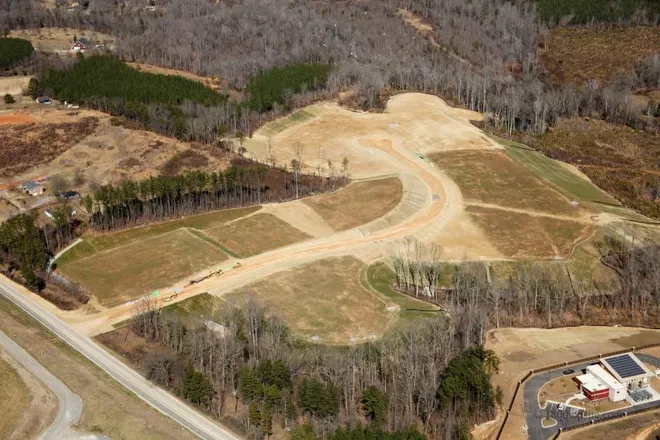
Aerial view of the Gaston County landfill

Landfill Gas Capture

Gaston County Landfill Gas Destruction Project

The project reduces greenhouse gas emissions by capturing and destroying landfill methane.

Location
Dallas, NC, USA
Project ID
CAR475
Registry
Climate Action Reserve
Verified By
Ruby Canyon Environmental
Learn more →
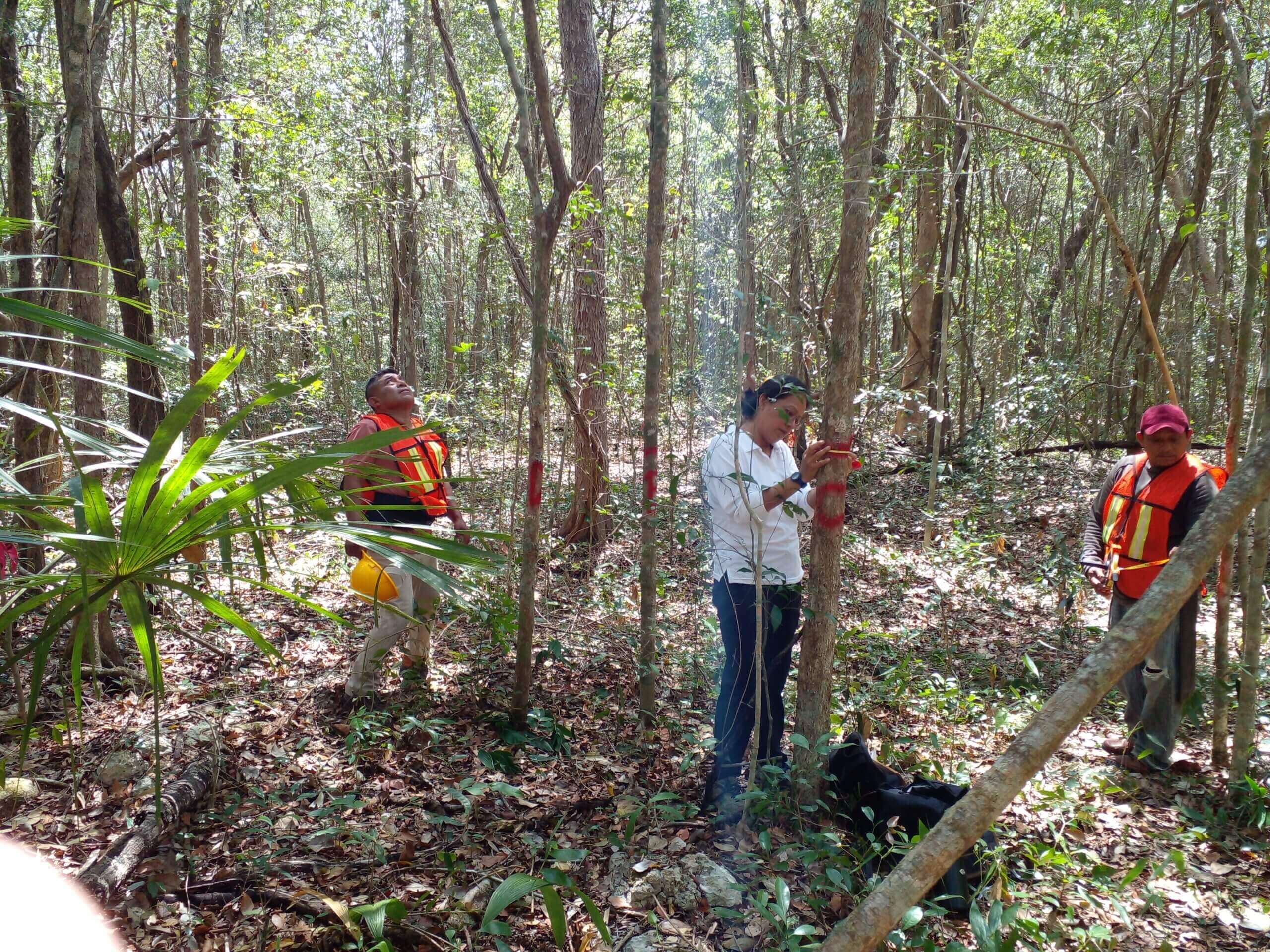
Forestry workers measuring trees in a managed forest

Improved Forest Management

Restauración Forestal

This project removes CO2 emissions by working with local communities to protect and restore forests.

Location
Yucatán Peninsula, Mexico
Project ID
Multiple Projects
Registry
Climate Action Reserve
Verified By
TÜV SÜD America
Learn more →
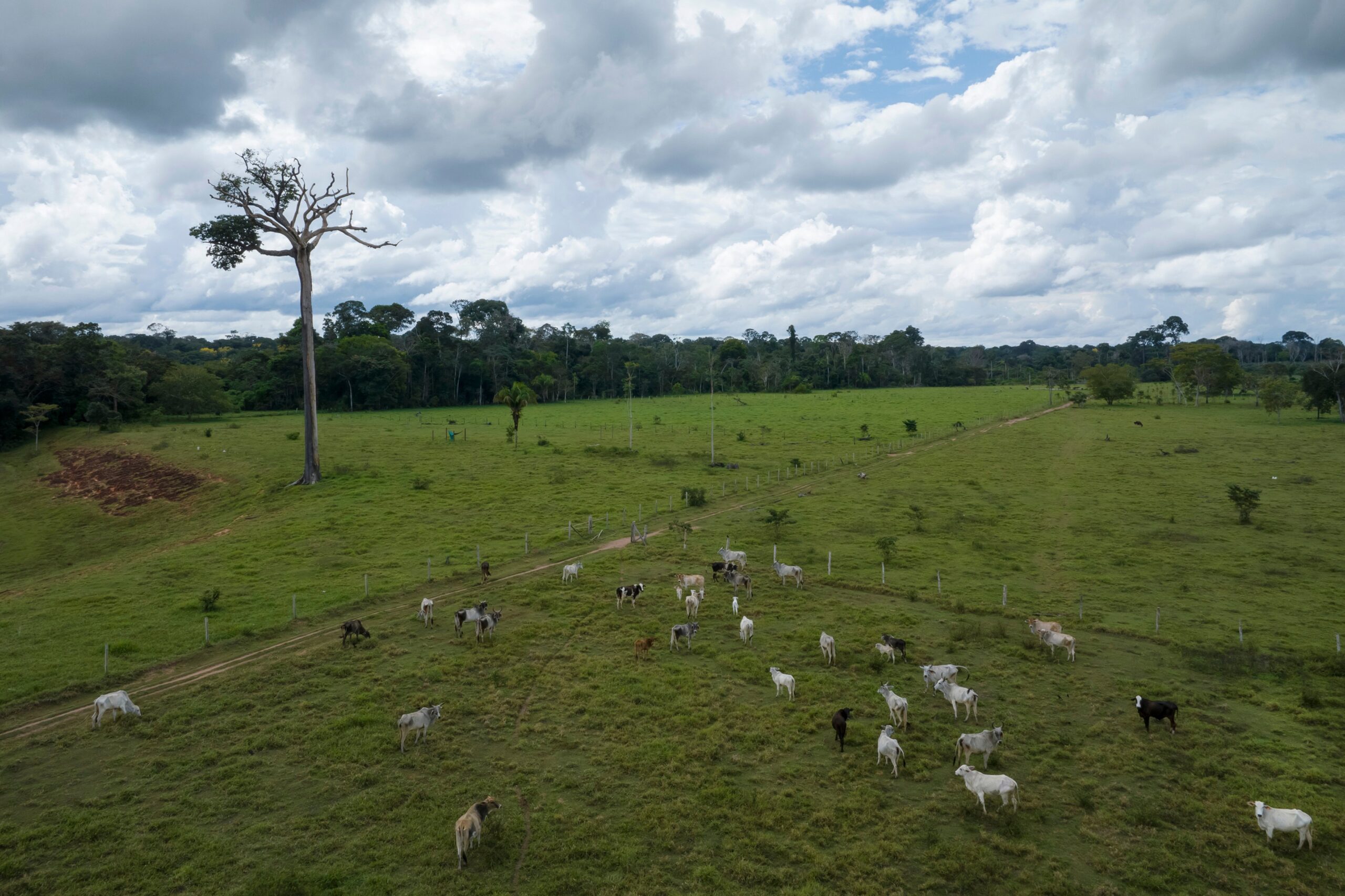
Forest edge in the Tahuamanu region of the Peruvian Amazon

REDD+

Tahuamanu Amazon REDD Project

This project protects Amazon rainforest, preserving carbon and biodiversity while reducing deforestation emissions.

Location
Madre de Dios region, Peru
Project ID
VCS2502
Registry
Verra
Verified By
AENOR International
Learn more →
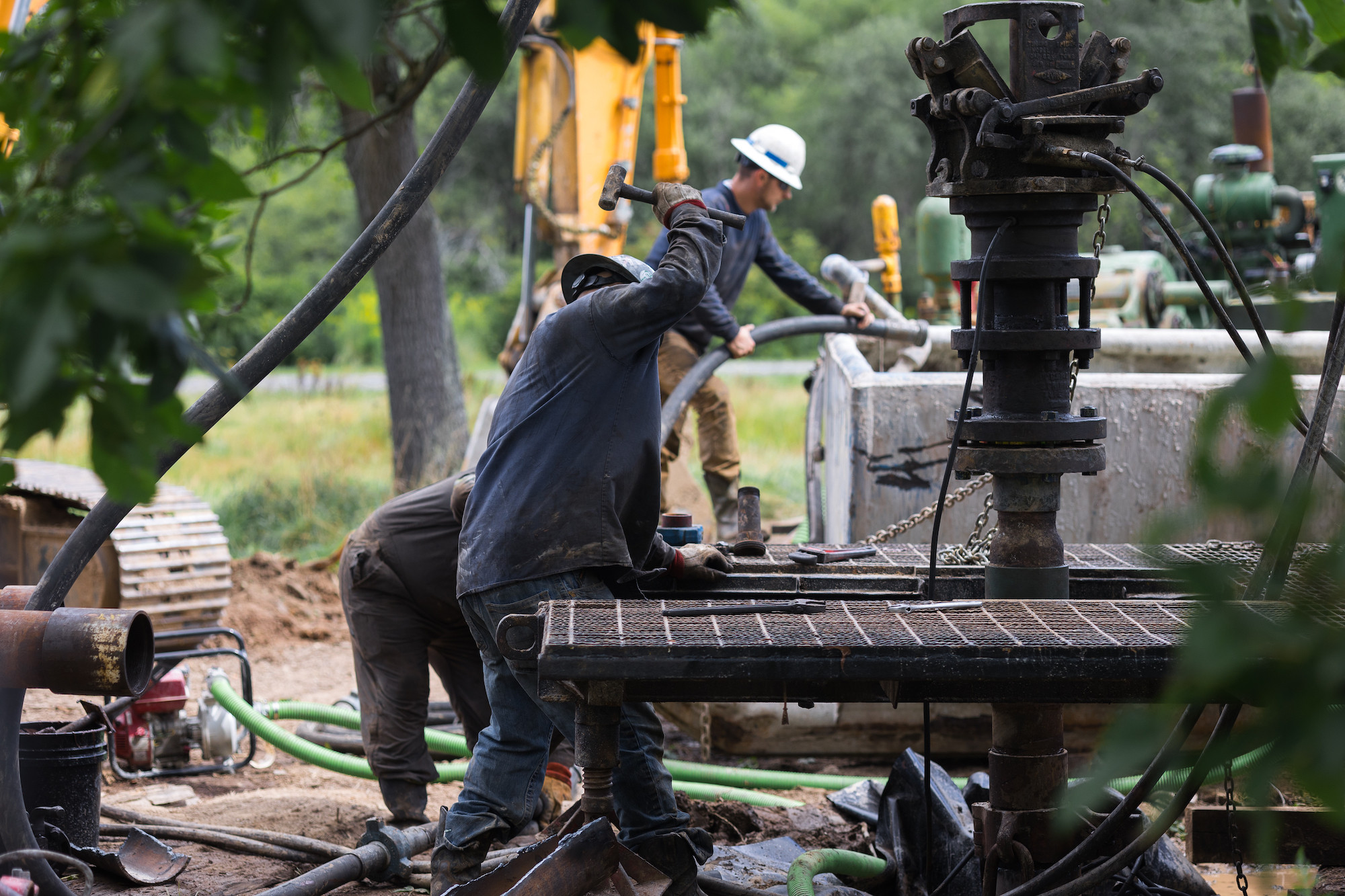
Crew working on an orphan oil and gas well closure

Orphan Oil & Gas Well Closure

Zefiro Methane OOG 1 – Drake

This project reduces methane emissions by permanently plugging orphaned oil and gas wells.

Location
Custer County, OK, USA
Project ID
ACR959
Registry
American Carbon Registry
Verified By
TÜV SÜD America
Learn more →
Sample Terrapass Certificate of Purchase for the Private Aviation Carbon Offset Package, showing the recipient name, certificate number, and date

Proof of Your Impact

Get a Certificate for Every Purchase

With every private aviation offset purchase, you’ll get a Certificate of Purchase to show your support for climate action. Behind every certificate, Terrapass retires carbon credits so that the environmental benefits are permanently assigned to our customers.

  1. Choose your amountChoose how much CO₂ you want to offset from your private flights. Cover a single trip, or offset a full year of flying for you, your passengers or your fleet.
  2. We retire the credits for youTerrapass retires credits generated by projects in the Terrapass Global Portfolio for your purchase. Retired credits are taken out of circulation so that the environmental benefits are permanently assigned to our customers.
  3. Share your certificateYour Certificate of Purchase shows the recipient name, product purchased, certificate number and the date. Share it with passengers, clients and stakeholders.

Did You Know Global Aviation Accounts for 2% of Man-Made Carbon Emissions? *

That means 915 million metric Tons of CO2e is emitted and offsetting it would be equivalent to:

Planting 15,129,603,671 Trees
Recycling 39,606,359,300 Bags of Waste
Switching 34,679,426,478 Incandescent Lamps to LEDs

Our Clients:

CORSIA Compliance

We are your one-stop-shop for CORSIA compliance helping you build carbon offsetting into your aviation services and programs. We offer industry-leading aviation emissions calculations and can provide custom quotes for large volumes.

Contact a Representative

Common Questions

Frequently Asked Questions

Answers to common questions about private aviation emissions and how to offset your flights.

How do carbon offsets work?

When you buy carbon offsets from Terrapass, you fund verified projects that reduce or remove greenhouse gas emissions, such as reforestation, forest conservation, landfill gas capture, and orphan well closure. Each metric ton you purchase represents one metric ton of carbon dioxide equivalent (CO2e) that a project has reduced or removed, confirmed by an independent registry.

This lets you take responsibility for an equal amount of the emissions from your flights.

Do private aviation flights cause more pollution?

Yes, per passenger. According to Transport & Environment (T&E), a European nongovernmental organization, private jets are 5 to 14 times more polluting than commercial planes per passenger and 50 times more polluting than trains. In just one hour, a single private jet can emit two tonnes of CO2.

Source: Transport & Environment, 2021

How do I calculate how much I need to offset?

Use the conversion calculator on this page to find how many metric tons of CO2 your private flight produced:

  1. Select the fuel type your aircraft uses.
  2. Enter the number of gallons used for the flight.
  3. The calculator shows the amount of CO2 to offset. Enter that number as the product quantity and add it to your cart.
What is the difference between Aviation Gas and Jet Fuel?

There are two commonly used aviation fuels: AVGAS (aviation gasoline) and jet fuel. The right one for your aircraft depends on its engine type.

  • AVGAS is used in piston engine aircraft, which fly using propellers turned by the engine to generate thrust.
  • Jet fuel is used in aircraft with turbine engines, including jets and turboprops.
How does Terrapass ensure that its offset projects are really making a difference?

We check our projects at every stage. Before adding a project to our portfolio, we perform due diligence to fully understand its impact. Once a project is in our portfolio, its emission reductions are monitored and verified by accredited, independent third parties.

Every project must also pass the “additionality” test. Additionality asks whether your carbon offset purchase actually brings about reductions, or whether those reductions would have happened anyway. If carbon offset funding is a critical factor in making the reductions happen, they are considered “additional” to what would have happened under business as usual.

Flying often or managing a fleet? Talk to our team →