Key takeaways
- “Nature lover” has several synonyms with no negative connotation, including environmentalist, conservationist, and preservationist.
- Nature lovers weigh the environmental impact of everyday decisions, from what they buy to how they get around.
- You don’t need a dramatic lifestyle overhaul to embrace this identity; small, consistent changes count.
- Green careers span a wide range of education levels and salaries, from no-degree-required organic farming to six-figure environmental engineering roles.
- As of the most recent BLS data, environmental engineers have the highest median pay among the careers covered here, at just over $104,000 a year.
What Is a Person Called Who Loves Nature?
There is no shortage of names given to people who love nature, some kind and some a little cheekier, such as “treehugger” or “greenie.” However, a few words are synonymous with “nature lover” and have no negative connotations, these synonyms include:
- Green Panther
- Activist
- Conservationist
- Ecologist
- Green activist
- Preservationist
- Environmentalist
- Environmental enthusiast
What Is an Environmental Enthusiast?
An environmental enthusiast or environmentalist seeks to improve and protect the natural environment. They do so by modifying environmentally harmful human activities and adopting ideals focused on doing no harm to the environment. They also reassess humans’ relationship with nature.
They see that not only humans deserve moral, political, economic, and social consideration; they believe all living things deserve the same protections.
An environmental enthusiast will always consider the environment when making a decision. They will think about what positive or negative impact their decisions may have, and may make changes to their plans so that their footprint will be lessened.

What Does It Mean to Be a Nature Lover?

A nature lover is a person who’s connected to the natural world around them. They understand that humans and nature must cohabitate and thrive together. A nature lover thinks deeply about the connection between human life and nature, and how they can help one another. For example, how can we protect pollinator bees so they can pollinate our crops so we have sustainable food sources?
Every decision a nature lover makes generally begins with them thinking, “What impact will this have on the environment?” A nature lover will avoid doing something that negatively impacts the environment. For example, purchasing a new car not only adds to their carbon footprint through the emissions created when building the vehicle, but it also means there’s a chance their old car could go to a junkyard and cause more negative environmental effects. This is why many nature lovers will hold onto items for many years and choose to repair broken things instead of replacing them.
Nature lovers will also make lifestyle changes, both small and large, to limit their harm to Mother Nature. This can include focusing on clean outdoor activities, like being a hiker or riding a bicycle instead of riding a dirtbike or another off-road, fuel-burning vehicle. They also appreciate the beauty of nature and enjoy the simpler things, like being a birdwatcher or just spending time in the fresh air.
Why Should We Be Nature Lovers?
Mother Earth is a rare feat, as scientists have spent many years searching for other planets capable of sustaining life only to come up empty-handed. And when you have something so rare that also holds such beauty, it’s worthwhile to protect it.
Plus, as nature lovers, our lifestyle changes will set up the next generations for a better future. We all want our children to succeed and live long, healthy lives, and these steps can help assure that, at least from an environmental standpoint.
While some people may see nature lovers as a little too over the top, remember that nature lovers have varying levels of advocacy. Some put the Earth’s well-being above everything else, but others only make small lifestyle tweaks to limit their harm to the environment.
So you don’t have to change your entire life to show your nature lover side. You can simply make small adjustments, like planting seeds for wildflowers that help the bee population or riding a bike to the nearby convenience store instead of driving your car. Every day, there are at least a few small actions you can take to help the planet.
What Are Some Green Careers Nature Lovers Should Consider?
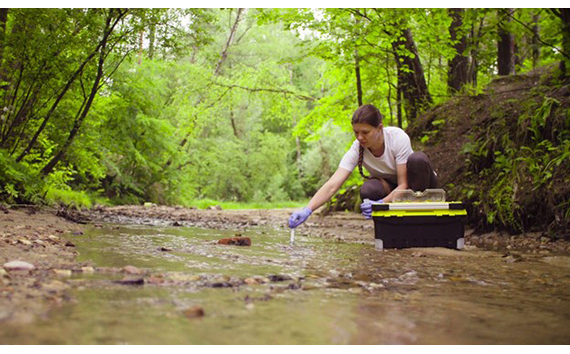
Nature lovers tend to let their love for the environment flow into all aspects of their lives, including their careers. These green careers are great options for anyone looking to work in a position with minimal negative or maximum positive impact on the environment:
2026 green career salary snapshot
| Career | Median annual salary | Source |
|---|---|---|
| Environmental Engineer | $104,170 | BLS, May 2024 |
| Environmental Consultant / Scientist | $80,060 | BLS, May 2024 |
| Wildlife Biologist | $72,860 | BLS, most recent available |
| Park Ranger (Conservation Scientist) | $67,950-$69,060 | BLS, May 2024 |
| Sustainability Manager | $70,530* | Original source, approximate |
| Organic Farmer | $68,090* | Original source, approximate |
| Botanist | $66,750* | Original source, approximate |
*Not independently reverified against current BLS data in this update; treat as approximate.
Environmental Engineer
As an environmental engineer, you’ll solve problems and work as part of a team to protect people and the environment. This role can be within the state, local, or federal government or at a private organization. To land a position as an environmental engineer, your best pathway is with a bachelor’s degree in environmental science and climate change or something similar.
Environmental engineers are paid well, too, with a median annual salary of $104,170 as of May 2024, according to the Bureau of Labor Statistics.
Wildlife Biologist
If your nature loving skews toward wildlife, becoming a wildlife biologist is likely the career path for you. This green career will have you working with wildlife almost daily and studying critters in their natural habitats. As a wildlife biologist, you may work in a private organization, at a university, or within a government agency. Before getting into this role, you’ll need a degree, and a bachelor’s in wildlife conservation is a good place to start.
The median annual salary for a wildlife biologist is around $72,860, according to Bureau of Labor Statistics data.
Park Ranger
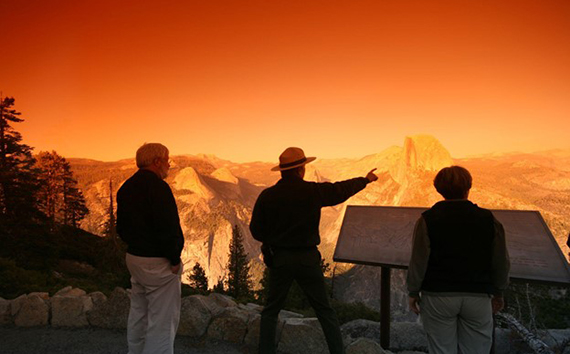
Becoming a park ranger is a very hands-on way to preserve nature’s beauty. As a park ranger, you’ll enforce the rules of the parks you work in, helping to protect the natural habitat and the animals that call it home. You’ll also protect the humans visiting the parks.
Park rangers aren’t just rule enforcers, though. They also have an educational side to their jobs, and they may lead wildlife exploration groups in the parks they work at.
To become a park ranger, you can start with a bachelor’s degree in conservation law enforcement.
Park rangers are generally classified under the Bureau of Labor Statistics’ conservation scientist category, with a May 2024 median salary of about $67,950-$69,060, though federal positions pay meaningfully more (around $86,940 median) than state or local roles.
Environmental Consultant
An environmental consultant is a broad-reaching job that can touch many different parts of protecting the environment, from monitoring waste disposal to finding ways to reduce corporate emissions. These folks can work in local, federal, or state government. They can also work for private organizations or nonprofits.
You’ll typically need at least a bachelor’s degree in environmental science to land this job, and many people pursue a master’s degree and additional certificates in specific specialties.
The closest comparable BLS category, environmental scientists and specialists, reports a median annual salary of $80,060 as of May 2024.
Organic Farmer
Yet another very hands-on green career is an organic farmer. These farmers plant seeds and care for crops until they’re ready for harvesting and distribution. This job is very rewarding and is one you can launch and operate by yourself with the right distribution channels. One thing to keep in mind is that this is a very physical job, so make sure you’re up to the task.
Plus, you can dive in without a degree. You only need to understand how to raise crops organically. However, it wouldn’t hurt if you had a sustainable food and farming degree.
The median organic farmer salary in the U.S. is approximately $68,090, though this varies widely based on farm size, location, and business model.
Sustainability Manager
Sustainability is a hot-button topic in the business world, as corporations look for ways to operate without exhausting natural resources or harming the environment. This is where a sustainability manager comes in and works their magic.
As a sustainability manager, it’s your job to uncover how the organization impacts the environment in the immediate and surrounding areas. This can also include the global environmental impact for larger-scale companies. A sustainability manager finds ways to minimize this impact while sustaining corporate profitability.
The approximate median salary for a sustainability manager is $70,530, though this role has grown substantially in demand as more companies adopt formal climate targets.

Botanist
Another great career option for a nature lover is a botanist. You’ll study plants in a lab setting or in nature, examining how they interact with other organisms and their environment. You may also be responsible for finding new species of plants or experimenting with the ways these plants grow in varying conditions.
As a botanist, you may work within a government agency, but you can also find work with a private organization. You may even work in a biotech or pharmaceutical company.
A botanist typically needs a bachelor’s degree in biology, chemistry, or botany. A botanist typically makes about $66,750 annually.
FAQ: Nature Lovers and Green Careers
What is another word for someone who loves nature?
Common synonyms with no negative connotation include environmentalist, conservationist, ecologist, preservationist, and environmental enthusiast.
Do you have to change your whole lifestyle to be a nature lover?
No. Nature lovers exist on a spectrum, from small habits like recycling and turning off lights to more significant lifestyle changes. Both count.
What’s the highest-paying green career?
Among the careers covered here, environmental engineer has the highest median salary, at $104,170 as of May 2024, according to the Bureau of Labor Statistics.
What green career doesn’t require a college degree?
Organic farming is the most accessible option here in terms of formal education; it requires practical knowledge of organic growing methods rather than a specific degree, though a sustainable food and farming degree can help.
What kind of degree do most green careers require?
Most of the careers covered here, including environmental engineering, wildlife biology, environmental consulting, and botany, typically require at least a bachelor’s degree in a related science field.
Become a Nature Lover and Do Your Part
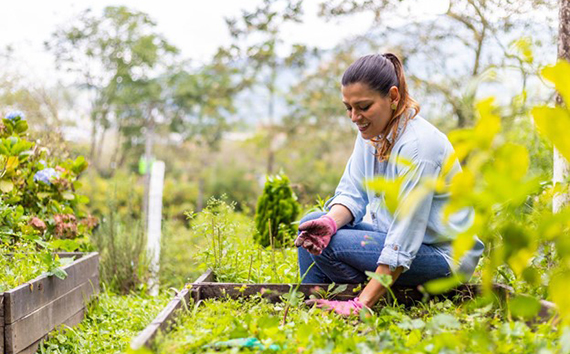
Becoming an environmentalist or a nature lover may seem like a dramatic shift for many people, but it doesn’t have to be. Yes, some nature lovers put the Earth first at all times, but you can also do your part through incremental changes that have little impact on your daily life. Small things like reusing and recycling, switching to reusable bags, or even just remembering to turn off the lights can be helpful.
To fully immerse yourself in the life of an environmentalist, you can consider a green career, such as becoming an organic farmer or a sustainability manager. Some of these jobs will reward you with six-figure median salaries, and others require no degree at all, just the ability to learn and adapt to your surroundings.
For more tips and guides to living a nature-loving and green lifestyle, check out the Terrapass blog.
Brought to you by terrapass.com